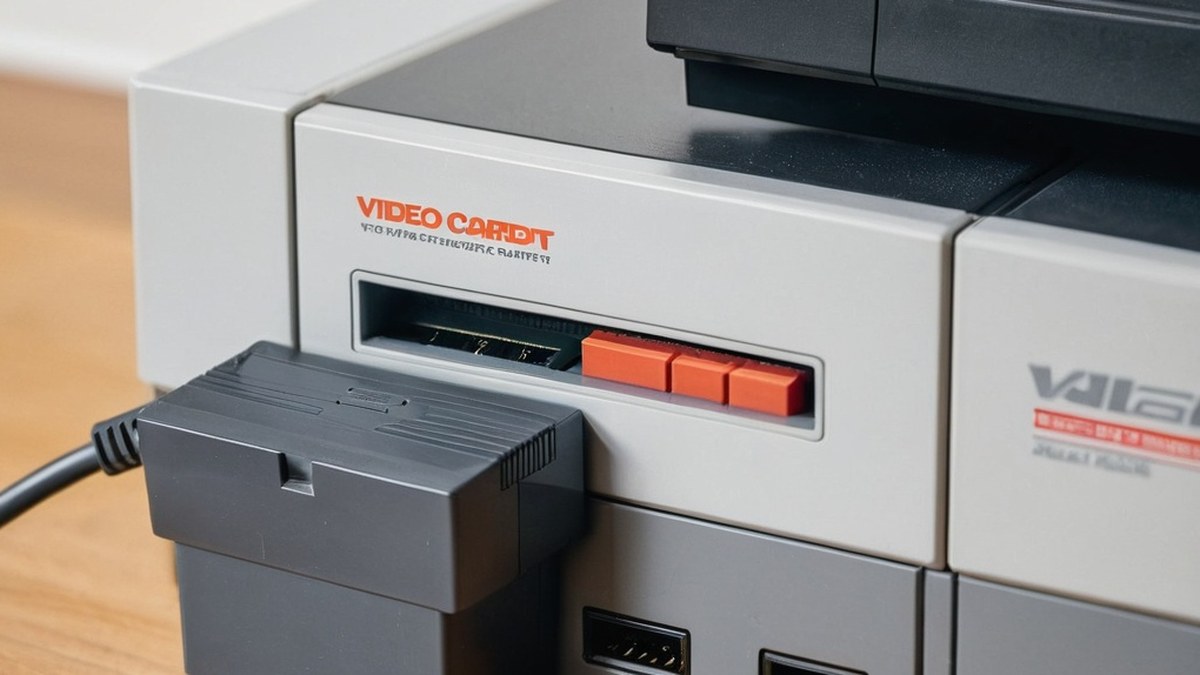
The Game Genie: The Cheat Cartridge That Nintendo Tried to Ban
A little grey cartridge that plugged in before your game promised infinite lives and unlimited ammo — and Nintendo fought it in court rather than let it onto store shelves.
Before online guides, before save-state emulators, before a quick search could tell you exactly how to skip to any level of any game, there was a specific, slightly magical-feeling piece of plastic that promised to let you cheat your way through anything: the Game Genie. Plug it into your NES or SNES before inserting the actual game cartridge, enter a short alphanumeric code from the included book, and suddenly you had infinite lives, invincibility, or the ability to walk through walls in games that were never designed to allow any of it.
How a Cheat Device Actually Worked
The Game Genie’s technical trick was genuinely clever: it sat between the console and the game cartridge, intercepting specific memory values as the game ran and substituting the numbers you’d entered via its code system in place of the originals. A code that gave infinite lives, for instance, worked by intercepting the specific memory address where the game tracked your remaining lives and simply preventing that number from ever decreasing. It wasn’t hacking in any sophisticated sense, but it was a genuinely effective, elegant piece of consumer hardware engineering for its era.
The Thick Code Book Everyone Pored Over
Every Game Genie shipped with a book listing hundreds of codes across dozens of popular games, organized by title, each code a short string of letters that looked like nonsense until you typed it into the on-screen entry menu and watched a game suddenly behave completely differently. Later supplemental code books and gaming magazines kept the supply of new codes flowing as new games released, and trading newly discovered codes — sometimes codes kids had worked out themselves through trial and error — became its own small subculture among dedicated players.
Nintendo Took It to Court
Nintendo was not remotely pleased about any of this, and the company’s objection wasn’t really about cheating as a concept — it was about control. Nintendo sued Galoob, the Game Genie’s manufacturer, arguing that the device created unauthorized derivative works of Nintendo’s copyrighted games by altering how they played. The case went all the way through the federal court system, and Galoob ultimately won on appeal, with the court ruling that temporarily altering a game’s behavior during play for personal, non-commercial use didn’t constitute copyright infringement. It was a genuinely significant early legal precedent for the rights of a device to modify software it didn’t itself distribute.
Not Every Code Was a Pure Win
Part of the Game Genie’s appeal was discovering exactly how unpredictable some codes could be — a code advertised as giving a minor gameplay tweak might also introduce bizarre, unintended visual glitches, broken level geometry, or game-crashing bugs, since the device was bluntly altering memory values the original developers had never designed to be changed externally. Some of the most memorable Game Genie experiences for a lot of kids weren’t the codes that worked exactly as described, but the ones that broke a game in some unexpected, often hilarious way nobody had anticipated.
Made Mostly Obsolete, Never Quite Forgotten
As games moved to CD-based and later digital formats, and as in-game cheat menus, built-in level select options, and eventually internet guides made the Game Genie’s whole approach increasingly unnecessary, the device faded out of relevance by the mid-to-late 90s. For anyone who owned one during the NES and SNES years, though, it occupies a specific, fond memory slot: the thrill of typing in a slightly mysterious code and watching a game you’d played a hundred times suddenly do something it was never supposed to do, all thanks to a little grey cartridge Nintendo had tried, and failed, to keep off the shelves.